Why hardware startups fail after EVT
Most hardware products don't fail at concept. They fail after EVT — when prototype success meets production reality.
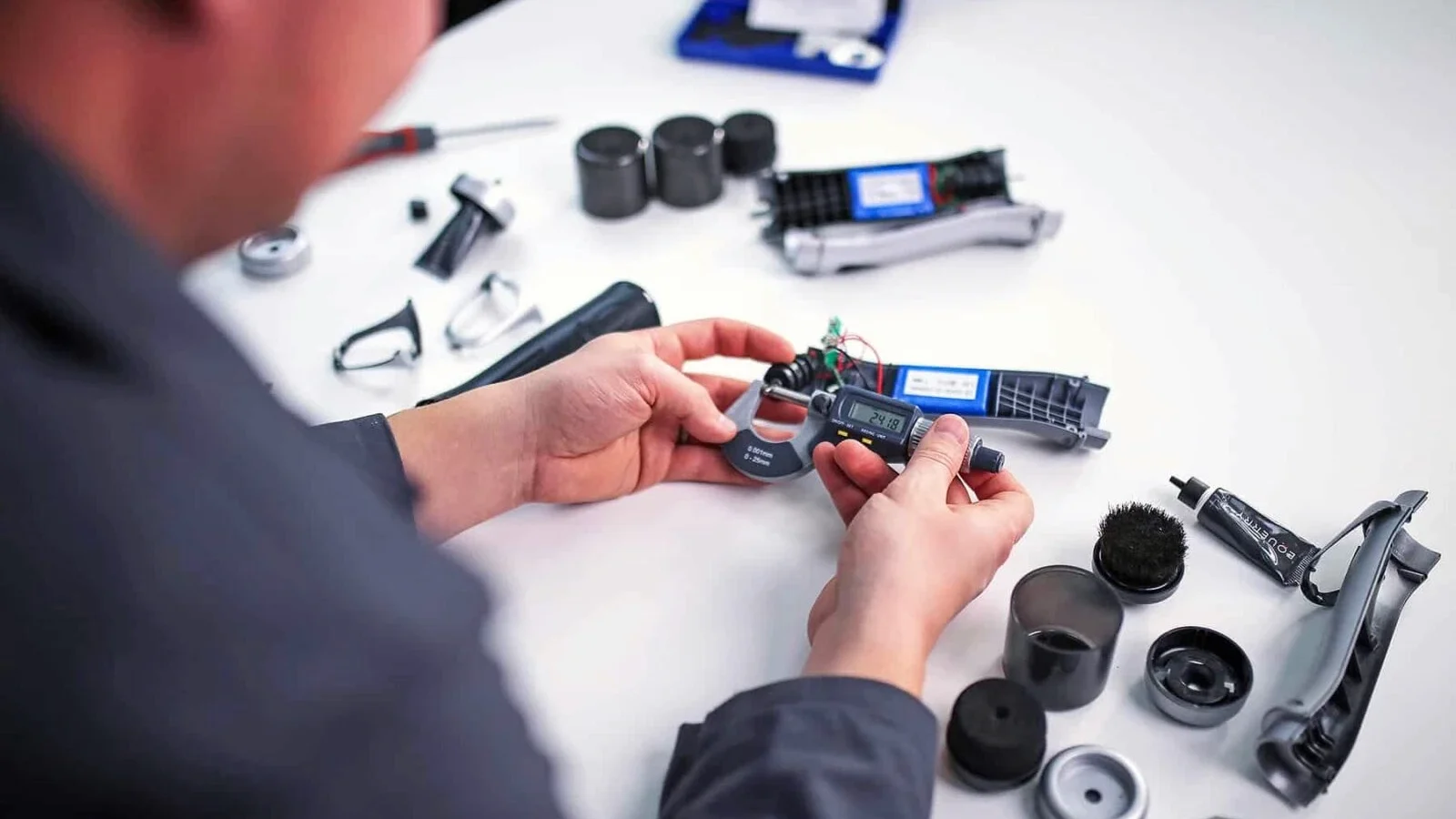
Most hardware products don't fail at concept. They fail after EVT.
By the time a product reaches EVT (Engineering Validation Test), it usually works. The prototype functions. The idea is proven. But EVT is where complexity starts to surface — because what worked in a prototype often doesn’t translate directly into production. Tolerances change. Components behave differently at scale. Manufacturing constraints appear. Costs increase.
Many teams move into DVT and PVT assuming the hard part is done. In reality, it’s just beginning. Without the right structure in place, designs get reworked, suppliers change, timelines slip, and costs escalate.
EVT proves a product can work. NPI ensures it can scale.
Other insights
View more
You can’t scale what you don’t own
Building the product is only part of the challenge. It's just as important to own the information behind it.

A factory is not a supply chain
Many teams treat their manufacturer as their supply chain. It's a common mistake, and one that creates risk, dependency, and limited flexibility as you scale.

Hardware isn’t dead. It’s just harder.
It's easier than ever to build a prototype. Getting from prototype to production is still hard — and the bar keeps moving.